

What Does Site Development Actually Include?
Updated: Jul 6
When people hear the term site development, many imagine construction crews and heavy machinery starting to build a new structure. The reality is that site development covers everything that happens before construction begins. It involves preparing the land and infrastructure to ensure the project runs smoothly and avoids costly delays. Whether the project is for a commercial building or a residential home, proper site development lays the foundation for success.
Understanding what site development includes can help property owners, developers, and anyone involved in construction projects make informed decisions and avoid surprises.
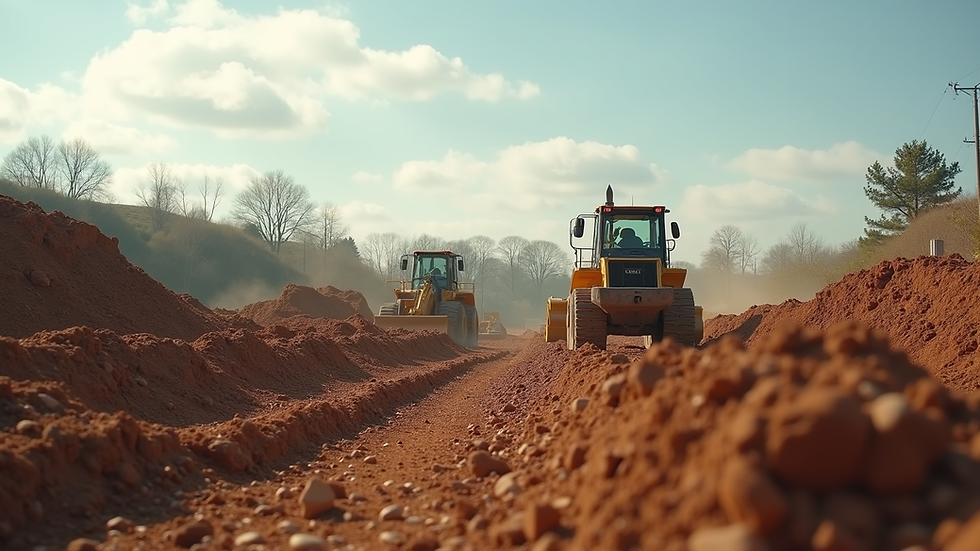
Clearing the Land
The first step in site development is clearing the land. This means removing trees, shrubs, rocks, and any debris that could interfere with construction. Clearing creates a clean slate for the project and allows equipment to access the site safely.
For example, if a residential lot has dense vegetation or old structures, these must be removed. This process often involves:
Cutting down trees and removing stumps
Clearing brush and undergrowth
Demolishing any existing buildings or structures
Proper clearing prevents future problems like root damage to foundations or unexpected obstacles during construction.
Grading the Site
Once the land is cleared, grading shapes the terrain to create a level surface or the desired slope. Grading controls how water flows across the site, which is crucial for drainage and foundation stability.
Grading involves moving soil to:
Level the ground for building foundations
Create slopes that direct water away from structures
Prepare areas for roads, driveways, and sidewalks
For example, a commercial site might require precise grading to support a parking lot and prevent flooding, while a residential site might need gentle slopes to blend with the natural landscape.
Managing Drainage
Drainage is a critical part of site development. Poor drainage can cause water to pool around buildings, leading to foundation damage, mold, and erosion. Site development includes designing and installing systems to manage stormwater and runoff.
Common drainage solutions include:
Installing French drains or underground pipes
Building retention or detention ponds to hold excess water
Creating swales or ditches to channel water safely
For instance, a site near a river or in a rainy climate will need more extensive drainage planning to protect the property.

Installing Utilities
Before construction, the site must be connected to essential utilities. This includes water, electricity, gas, sewage, and telecommunications. Site development involves coordinating with utility companies to bring these services to the property.
Steps in utility installation include:
Trenching and laying pipes or cables underground
Setting up connection points or meters
Testing systems to ensure proper function
For example, a new housing development requires water and sewer lines to each lot, while a commercial site might need high-capacity electrical service.
Paving and Access Preparation
Access to the site is necessary for construction vehicles and later for occupants. Site development often includes paving roads, driveways, and parking areas. This step ensures safe and efficient movement on and off the property.
Paving work may involve:
Laying gravel or asphalt for temporary construction roads
Building permanent driveways and parking lots
Installing curbs and sidewalks
For example, a retail center needs well-planned parking and access roads to handle customer traffic, while a single-family home might only require a driveway.
Preparing the Property for Success
All these site development tasks work together to prepare the property for construction and long-term use. Proper site development saves time and money by preventing delays, reducing the risk of damage, and ensuring compliance with local regulations.
Consider a project where site development was rushed or skipped. The builder might face unexpected flooding, unstable soil, or utility delays, causing costly work stoppages. On the other hand, a well-prepared site allows construction to proceed smoothly and supports the building’s longevity.
The Importance of Professional Site Development
Choosing to work with professionals for site development can make a significant difference. Experienced teams understand local regulations and can navigate the complexities of the process. They ensure that all necessary permits are obtained and that the work is done according to code. This expertise minimizes risks and enhances project efficiency.
Conclusion
In conclusion, site development is a crucial phase in any construction project. It encompasses various tasks that prepare the land for building. From clearing and grading to drainage management and utility installation, each step is vital. Proper site development not only facilitates a smoother construction process but also contributes to the long-term success of the property.
By investing time and resources into site development, I ensure that my projects are built on a solid foundation. This approach ultimately leads to better outcomes and satisfied clients.
For more information on site development, I recommend visiting Site Worx Construction.